As an Amazon Associate, LawnLeagues earns from qualifying purchases made through links on this page. That never changes what you pay. Researched and written by Dani · how we research.
know the game
Cornhole, in one breath
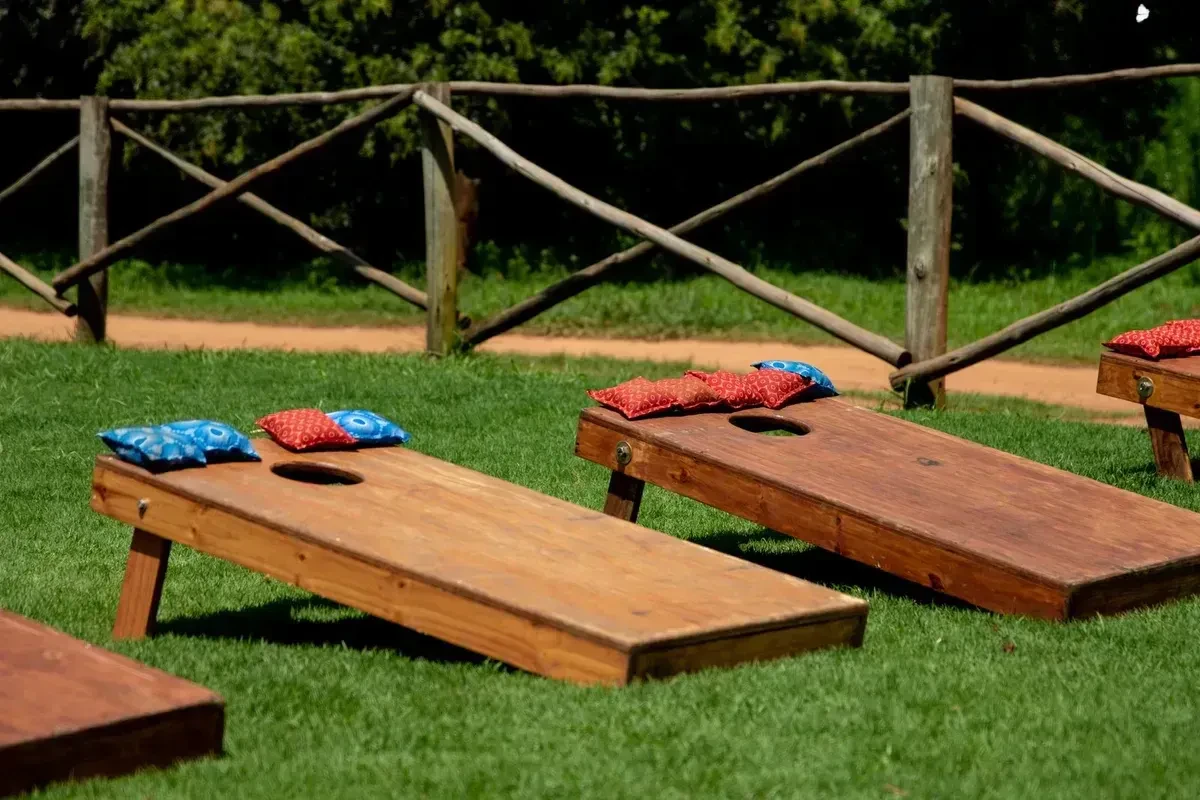
Cornhole is the king of the backyard for a reason: dead simple to learn, weirdly addictive, and perfect with a drink in your free hand. Here is everything you need to set up two boards and start tossing like a commissioner.
The shortlist
Our top cornhole picks at a glance
Choose by the players, the court and how you plan to store the set. The notes below explain each model's contents and limitations; these are researched selections, with no hands-on rating.
full buying guideBest cornhole boards · Best cornhole bags: the complete roundup, sorted by use and budget.
Start here Best Overall
Pros - True 2x4 regulation size with a smooth, slick playing surface
- Includes 8 all-weather bags and a carrying case
- Folding legs make setup and storage painless
Watch for - The included bags are decent but most serious players swap them out within a season
- Full 2x4 boards are bulky, so you need real trunk space and a spot to store them
Who it's for Best for the backyard host who wants one regulation set that handles weekly cookouts and the occasional competitive night without overthinking it.
Best Budget
Pros - Lowest-fuss way into real cornhole
- Folds flat for easy storage
- Comes with a full set of bags to start playing day one
Watch for - The printed MDF top is not the solid-wood surface of pricier sets
- Lighter MDF boards, about 16 pounds each, feel less planted than heavy solid-wood boards
- The eight all-weather bags are regulation size and weight, but serious sliders may still want dual-sided bags
Who it's for Best for someone just getting into cornhole or buying a yard set for the kids, where price matters more than a glassy slide.
Best for Tournaments
Pros - Regulation 4 by 2 foot boards with wooden frames
- Eight resin-filled bags and a bag tote included
- Woodgrain Flag design on the pictured set
Watch for - Costs a good bit more than a casual set, which stings if you only play a few times a year
- Heavier and bulkier to haul than a basic recreational board
- The fast slick top can feel like too much board for beginners still learning to throw
Who it's for A full-size wooden set for regular backyard play. Confirm your event requirements before using it in sanctioned competition.
Best All-Weather
Pros - Regulation 4x2 boards in heavy-duty plastic, built for humidity and rain showers per GoSports
- Eight all-weather 16-ounce bags included
- Lighter to carry than traditional wood boards, per the listing
Watch for - A plastic top plays differently from a sealed-wood tournament board, so wood purists may miss the slide
- The listing covers rain and humidity, not frost, so store it under cover through a hard winter
Who it's for Best for the crew whose set lives on the deck or in the truck bed and needs to shrug off damp grass and rain showers.
Best Bags
Pros - Regulation 6x6, 16-ounce duck-cloth construction
- Dual-sided slick and sticky faces for shot control
- Sold in color sets so teams can tell bags apart
Watch for - Brand-new bags are stiff and take a few games to break in before the slick side really slides
- Fill can settle unevenly out of the bag until you work them in
Who it's for Best for players who already own boards and just want regulation dual-sided bags to replace a tired or mismatched set.
From the commissioner
How to choose a cornhole set
- Regulation boards are 2 ft x 4 ft with a 6-inch hole centered 9 inches from the back. If you want real play (and real bragging rights), don't settle for a smaller 'tabletop' or 3x2 set.
- Surface matters more than looks. A smooth, sealed plywood top lets bags slide for blockers and push shots; rough MDF grabs bags and kills the fun.
- Folding legs plus a carry handle equal portability. If you tailgate or store in a small garage, fold-flat boards are worth it.
- Bags are half the game. Look for regulation 6 x 6-inch, 16-ounce duck-cloth bags, ideally dual-sided (slick on one face, sticky on the other) for shot variety.
- For sets that live outside, choose all-weather composite or sealed boards with all-weather bags so humidity and rain don't warp the wood or rot the fill.
next up Build the whole roster
Outfitting a party or a whole backyard? Start with our tailgate game picks, or see how cornhole stacks up against the rest.
Buyer's desk
Cornhole buying FAQ
What size are regulation cornhole boards?
Regulation boards are 2 feet by 4 feet, with a 6-inch hole centered 9 inches down from the top edge. Boards are set 27 feet apart, front to front, for adult play. Anything smaller is a recreational or tabletop set, not tournament size.
What's the difference between recreational and ACL-regulation boards?
Recreational sets focus on looks and price and may use rougher MDF tops. ACL-regulation boards meet strict size and surface standards with a smooth, sealed top that lets bags slide, which is what you need for sanctioned tournaments and serious league play.
What bags should I use?
Go with regulation 6 x 6-inch, 16-ounce duck-cloth bags. Dual-sided bags (one slick face, one sticky face) give you both slide shots and stop-on-a-dime placement, which opens up real strategy.
Are cheap cornhole sets worth it?
For casual backyard play, a budget set gets the job done and is a fine way to start. If you play often or care about clean slides and blocker shots, the jump to a sealed regulation surface is the upgrade you'll actually feel.
Will outdoor cornhole boards warp in the rain?
Bare wood can warp if it stays wet, so don't leave standard boards out in the weather. If your set lives outside, pick all-weather composite or sealed boards plus all-weather bags built to handle moisture.