
DIY Washer Toss Board: Box Plans, Cup Placement and Specs
The most common washer toss board is a square box, and the popular size is a 16 inch by 16 inch top with a single cup or pipe centered in the middle. You build two of them and set them 21 feet apart, center to center, for the standard pitch. Players toss three or four washers per turn at the far box and score by landing on the board or sinking the cup.
As an Amazon Associate, LawnLeagues earns from qualifying purchases made through links on this page. That never changes what you pay.
The most common washer toss board is a square box, and the popular size is a 16 inch by 16 inch top with a single cup or pipe centered in the middle. You build two of them and set them 21 feet apart, center to center, for the standard pitch. Players toss three or four washers per turn at the far box and score by landing on the board or sinking the cup.
This is an easy build, easier than cornhole, because there is no angled deck and no leg hardware. If you can cut a few squares of plywood and a frame from 1x4, you can finish a pair in an afternoon. Here is the cut list, the washers and cup I use, and every step in order.
Step by step
- Gather wood, washers, and cups You are building two boxes. Grab half-inch plywood for the two tops, 1x4 or 1x6 boards for the side walls, and a center cup for each box. A 4 inch diameter PVC coupling or a steel cup roughly 4 inches across is the classic target. For washers, the standard is a 2.5 inch outer diameter flat steel washer, and you want eight of them, four per player. Add 1.25 inch screws and wood glue. cut listPer pair: half-inch plywood (two 16" x 16" tops), 1x4 or 1x6 for walls, 2 center cups (~4" across), 8 washers (2.5" OD), 1.25" screws, glue.
- Cut the two tops Cut each plywood top to 16 inches by 16 inches. A circular saw with a straightedge clamp keeps the edges square. Cut both now so the pair matches. If you want the smaller, more portable version, a 13 inch square top is a common alternative, just keep both boxes the same. cut listTwo tops at 16" x 16" (or 13" x 13" for a compact set). Keep both boxes identical.
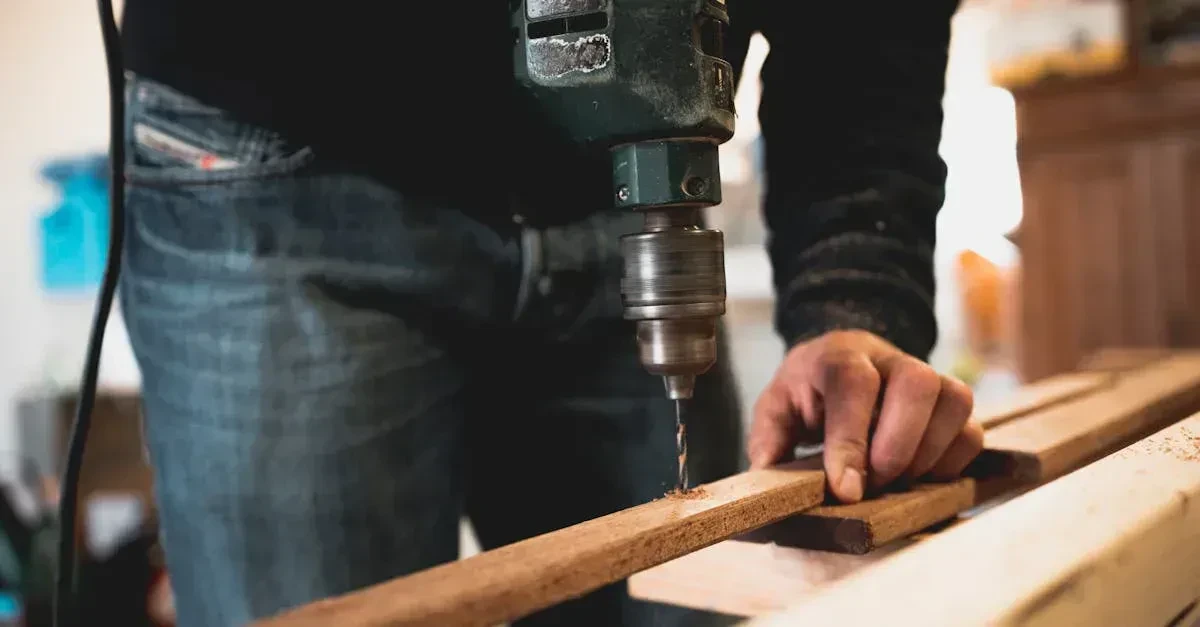
- Mark and cut the center hole Find the center of each top by drawing two diagonals corner to corner. Where they cross is dead center. Trace the outside of your cup there, then cut the hole so the cup drops in snug. A jigsaw or a hole saw sized to your cup does the job. Test fit the cup before moving on. cut listCenter = intersection of corner-to-corner diagonals. Cut the hole to fit your cup snugly.
- Build the box walls Cut four side pieces per box from your 1x4 or 1x6. Two sides run the full 16 inches and the other two tuck between them, so cut those a board-thickness shorter on each end to keep the outside a clean 16 inch square. Glue and screw the four walls into a square frame, checking it sits flat and square before the glue sets. cut listPer box: 2 walls @ 16", 2 walls cut ~1.5" shorter to tuck inside, forming a 16" outer square. Glue and screw.
- Attach the top and set the cup Run glue along the top edge of the wall frame, lay the plywood top on so the edges line up, and screw it down around the perimeter every few inches. Drop the cup into its hole so the rim sits flush with the playing surface, then secure it from underneath with a couple of screws or a bead of construction adhesive. A flush rim is what keeps a good throw from popping out. cut listGlue and screw the top to the walls. Set the cup so its rim is flush with the top, then fix it from below.
- Sand and round the edges Sand the whole box with 120 grit to knock down splinters and saw marks, then ease all four top corners and edges so nobody catches a hand on them. A smooth top also lets a flat washer slide and settle instead of catching and skipping off. cut listSand 120 grit, round the corners and top edges so washers settle and hands stay safe.
- Prime, paint, and seal Wipe off the dust, roll on one coat of exterior primer, and let it dry. Add two coats of exterior latex in your colors, painting a target ring around the cup if you want a scoring zone to aim at. Finish with one or two coats of clear exterior polyurethane so the boxes survive being left out on the grass. Let everything cure before the first toss. cut listExterior primer, two coats exterior latex, then clear poly. Paint a ring around the cup as a target if you like.
One box, three holes, or a pit
There is more than one way to play washers, and the board you build depends on the version you like. The single box with a center cup is the most common backyard build and the one in this cut list. It is compact, easy to make, and quick to learn.
Some players prefer a longer rectangular board with three cups in a row, scoring more for the far cup. Others skip boards entirely and dig two ground pits with a buried pipe in each, the old-school way. The 16 inch single box is the friendliest place to start, and you can always build a three-hole version later once you know you like the game.
Washer size and the right cup
The washer is the part people get wrong. The common size is a 2.5 inch outer diameter flat steel washer, heavy enough to fly straight and land with a satisfying clink. Lighter hardware-store washers flutter and frustrate. Buy washers made for the game, or a matched set of large flat washers, and keep all eight the same weight and size so both players throw identical hardware.
For the cup, a 4 inch PVC pipe coupling is cheap, weatherproof, and the right depth to catch a washer cleanly. A purpose-made steel cup works too and rings nicely on a hit. Whatever you use, the inside diameter wants to be a bit wider than the washer so a good throw drops in instead of rattling out.
Rather skip the saw?
No saw or no Saturday to spare? A finished washer toss set arrives with matched boxes, cups, and washers ready to play. These are the sets I would buy.
Yard Games 3 hole washer toss boards
Vetted by the commissioner and ready to play out of the box.
Budget wooden washer toss set
Vetted by the commissioner and ready to play out of the box.
EastPoint Sports washer toss game
Vetted by the commissioner and ready to play out of the box.
DIY Washer Toss Board FAQ
What size is a washer toss board?
The most common backyard board is a 16 inch by 16 inch square box with a single cup centered in the top. A compact 13 inch square version is also popular for travel. Whichever size you build, make both boxes identical and set them 21 feet apart center to center for standard play.
How far apart are washer toss boxes?
The standard distance is 21 feet from the center of one box to the center of the other. For kids or a tight yard you can move them closer, but keep both boxes the same distance apart every game. Always measure cup center to cup center, not the near edges of the boxes.
What size washers do you use for washer toss?
The common washer is a 2.5 inch outer diameter flat steel washer. That size has enough weight to fly straight and land with a clean clink instead of fluttering. Use washers made for the game or a matched set of large flat washers, and keep all of them the same size and weight.
How many washers do you need for washer toss?
You need eight washers for a standard two-player game, four per player. Each player pitches their four washers in a turn, then totals the score before the other player throws. Buying or cutting them as a matched set keeps both players throwing identical hardware.
