
Heavy duty weatherproof storage tote
Vetted by the commissioner and ready to play out of the box.
Guides Winter Storage for Backyard Games
off season careCornhole boards can warp and fabric or rope components can mildew when they are stored damp. Moisture control, cleaning, and dry storage before winter reduce that risk and make spring setup easier.
As an Amazon Associate, LawnLeagues earns from qualifying purchases made through links on this page. That never changes what you pay.
The off-season routine is simple: clean the equipment, dry it fully, protect it from damp, and store it off the floor. Below are material-specific steps and manufacturer guidance to check before storing each kind of game.
Almost all winter damage comes down to four mistakes, and avoiding them protects nearly everything you own. First, clean before you store, since grass, mud, and food residue attract pests and stain over months. Second, dry completely, because trapped moisture is what causes mildew, rust, and rot in a sealed container. Third, seal against damp with a real lid or a cover so humidity and snowmelt stay out. Fourth, keep it off a concrete floor, which wicks cold and moisture upward into whatever sits on it.
Get those four right and the gear specifics get easy. A heated space is nice but not required. A garage, shed, or basement is fine as long as the games are clean, dry, sealed, and elevated on a shelf or a pallet.
| Step | What to do | What it prevents |
|---|---|---|
| Clean | Wipe off grass, mud, residue | Stains and pests |
| Dry | Air dry fully before sealing | Mildew, rust, rot |
| Seal | Lidded bin or fitted cover | Snowmelt and humidity |
| Elevate | Shelf or pallet, off concrete | Wicked cold and damp |
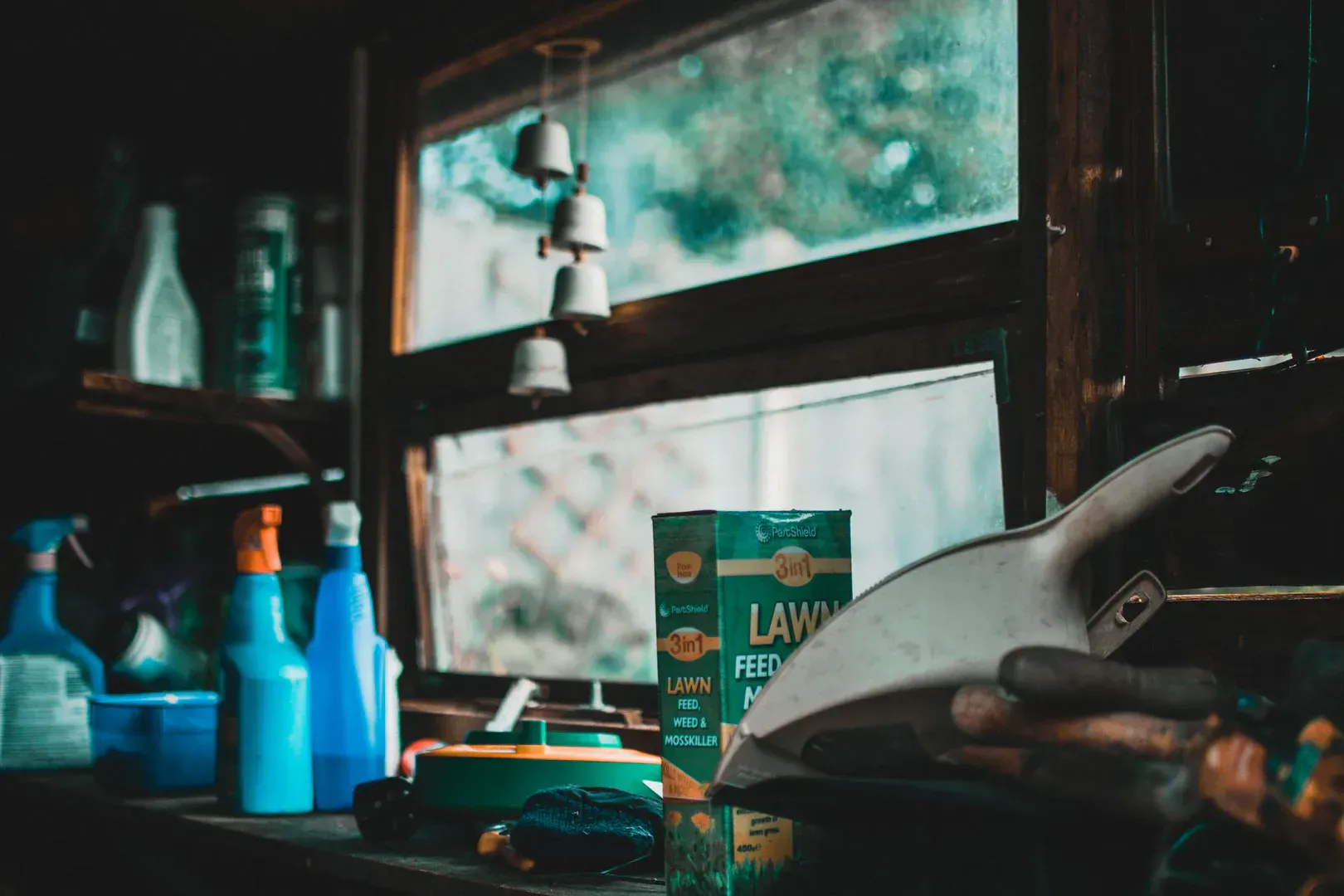
A heavy duty weatherproof storage tote with a tight latching lid is the single best thing you can buy for off season game storage. The thick walled, lockable kind keeps out water, dust, and curious mice far better than a thin bin with a loose lid. Size it so the contents are not crammed, and label the outside so you are not opening four totes in spring looking for the bocce.
For things too big for a bin, like cornhole boards, a fitted waterproof cover or even a couple of contractor grade trash bags taped shut keeps moisture off the surface. Toss a few silica gel desiccant packs into each sealed bin to pull residual humidity out of the air inside. They are cheap, reusable after drying out, and they are the difference between a musty bin and a fresh one.
Wood games like cornhole boards, giant Jenga, and kubb need to be bone dry and stored flat or upright on a shelf, never leaning where they can bow, since a warped board is the most common winter casualty. A coat of sealant or polyurethane before storage helps if the wood is bare. Resin and plastic gear, like bocce balls, ladder ball bolas, and ring toss sets, just needs a wash, a full dry, and a sealed bin, and it shrugs off cold fine.
Anything with metal, nets, or fabric needs the most attention. Dry horseshoes and any steel hardware completely and a light wipe of oil prevents rust. Nets and fabric from spikeball, badminton, volleyball, and pickleball must be fully dry before they go away, or they mildew, so air them out first and store them loose rather than tightly bunched. Deflate and dry inflatables completely, fold them loosely, and keep them somewhere that does not freeze hard, since deep cold can make the vinyl brittle and crack.
| Game type | Winter care |
|---|---|
| Wood (cornhole, Jenga, kubb) | Dry fully, seal bare wood, store flat or upright so it cannot bow |
| Resin / plastic (bocce, ladder ball, ring toss) | Wash, dry, sealed bin, handles cold fine |
| Metal (horseshoes, hardware) | Dry completely, light oil wipe to stop rust |
| Nets / fabric (spikeball, badminton, nets) | Fully dry, store loose, never damp or bunched |
| Inflatables | Deflate, dry, fold loosely, avoid hard freeze |
The ideal spot is dry, off the floor, and free of big temperature swings. A garage shelf or a basement rack beats the floor every time. If your only option is a shed or an uninsulated garage, the sealed bin plus silica approach matters even more, since those spaces swing with the weather and collect condensation.
Keep the games you might still use on a warm winter day, like a hardy set of bocce, near the front so you do not have to dig. And do one quick check midwinter if you can. A two minute look for any moisture or a chewed corner lets you fix a problem in January instead of discovering it ruined your set in May.
Two purchases do most of the work here: a weatherproof latching tote for the small stuff and a fitted cover for the boards. Add a pack of silica desiccants and your whole yard game collection overwinters clean.
Vetted by the commissioner and ready to play out of the box.
Vetted by the commissioner and ready to play out of the box.
Vetted by the commissioner and ready to play out of the box.
Clean each game, dry it completely, then seal it in a weatherproof latching bin or under a fitted cover, and keep it off the concrete floor on a shelf or pallet. Add silica gel packs to sealed bins to absorb humidity. Moisture, not cold, is what ruins stored games, so dryness is the priority.
Cold itself rarely hurts resin, plastic, or metal gear. The real damage comes from moisture causing mildew, rust, and warped wood. The main exception is inflatables, where a hard freeze can make the vinyl brittle and prone to cracking, so those are best kept somewhere that does not freeze deeply.
Make sure the boards are fully dry, seal any bare wood with polyurethane, and store them flat or standing straight up on a shelf rather than leaning at an angle where they can slowly bow. A waterproof cover or sealed wrapping keeps surface moisture off all season. A warped board is the most common winter casualty.
They are not strictly required, but they are cheap and they help a lot in a sealed bin by pulling residual humidity out of the trapped air. That keeps mildew off nets and fabric and rust off metal. You can dry them out in a warm oven and reuse them year after year.
Air them out until they are completely dry, then store them loose rather than tightly bunched so any remaining moisture can escape. Damp nets and fabric mildew quickly in a dark bin. This applies to spikeball nets, badminton and volleyball nets, and pickleball nets alike.